Stanley Steemer Of Knoxville
Remediation Specialist•Knoxville, TN
IICRC Certified
Mold RemediationWater Damage
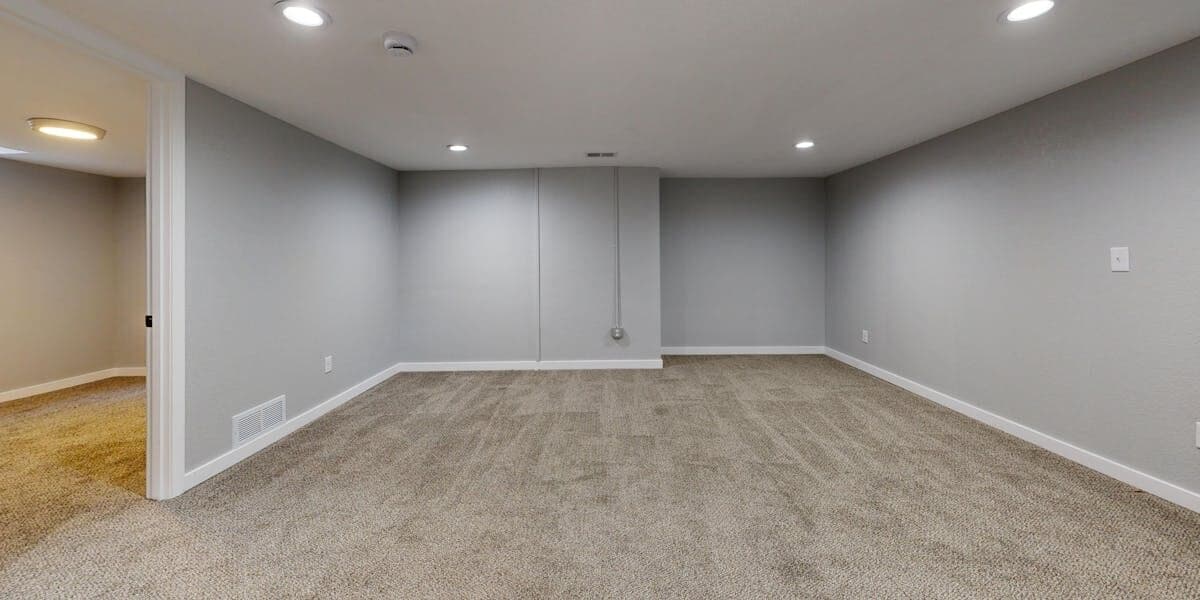
Regional moisture context: Tennessee homes deal with humid summers, crawl-space moisture, roof leaks, and seasonal condensation, so mold often follows wet subfloors, insulation, and slow-drying wall cavities rather than only major floods.
Last updated: March 2026
Tennessee's health guidance emphasizes moisture control, not a mold-specific licensing board. That means the main consumer question is whether the contractor can actually diagnose and fix the leak, crawl-space condition, or ventilation problem that caused the mold. In Tennessee, basements, crawl spaces, and storm-related roof damage routinely turn a small cleanup into a wider repair job.
Real licensing, pricing, climate, and homeowner guidance for Tennessee.
Tennessee has no state-specific mold licensing requirements. State health guidance says laws to address mold directly are not common, so homeowners should verify ordinary Tennessee contractor licensure for the repair work involved, especially on larger projects or jobs involving roofing, HVAC, or plumbing.
$1,050 - $3,500
Below national average
Tennessee homes deal with humid summers, crawl-space moisture, roof leaks, and seasonal condensation, so mold often follows wet subfloors, insulation, and slow-drying wall cavities rather than only major floods.
Crawl spaces, wet subfloors, and HVAC condensation are frequent reasons Tennessee odors return even after the visible mold is cleaned.
Testimonials
These reviews focus on outcomes homeowners said mattered most in Tennessee: passing clearance, reducing moisture, and getting a clean scope without surprise add-ons.
“The basement cleanup stayed organized from the first containment setup through the final clearance test, and the musty smell was gone before the rebuild started.”
Outcome
Clearance test passed before rebuild work began
Rachel M.
Knoxville, TN
“Our crawlspace quote finally solved the source problem too. After encapsulation and dehumidification, moisture readings dropped and the floor odor stopped returning.”
Outcome
Moisture readings stabilized after crawlspace remediation
Chris D.
Memphis, TN
“We needed documentation for insurance and a fast turnaround. The team handled the drying, the drywall removal, and the post-remediation paperwork without scope surprises.”
Outcome
Insurance-ready remediation paperwork with no scope surprises
Patricia L.
Nashville, TN
Three steps to address mold in your Tennessee home.
Articles and guides to help you understand mold risk and make informed decisions.
Cornerstone Guides
Start with a low-cost test kit, or use a humidity monitor to track conditions after remediation or water damage.
Test Your Home
Mold test kits from $10
Top pick: General Tools Moisture Meter
Track Humidity
Humidity and IAQ monitors
Top pick: Govee Smart Hygrometer
DIY Supplies
Moisture meters, containment supplies, and cleanup tools
Top pick: RMR Mold Stain Remover
Affiliate disclosure: We may earn a small commission on purchases at no extra cost to you.
Estimate pricing by contamination size, material removal, and project scope.
Use climate context as a starting point, then inspect your actual building conditions.
Work through visible growth, moisture, HVAC exposure, and cleanup scope.
Compare test kits, humidity monitors, drying equipment, and DIY supplies.
Browse inspection, remediation, cleanup, and moisture-control guides.
Are you a mold contractor in Tennessee? Get featured placement above organic results. Learn more